(Summary generated by AI based on the full job description)
The project covers management of EIT infrastructure for PL, CZ, Balkan focusing on service availability, landing global initiatives and user satisfaction. Key requirements include ITIL / ITSM knowledge, experience in multi-country IT operations and skills in project management and budget handling. Main responsibilities include day-to-day EIT operations, incident and problem management, meeting SLA/KPIs, leading IT projects, vendor oversight, financial control, compliance and security, and leading the local IT team. Offered benefits include private medical care, multisport card and remote work options.

Digital Workplace Lead (PL, CZ, Balkan)
Company: Fresenius Digital Technology Polska sp. z o.o.
Requirements
Operating system
Our requirements
- Bachelor’s degree in Information Technology, Computer Science, or a related field.
- Proven experience in IT operations management, preferably in a multi-country or cluster setting.
- Strong knowledge of ITIL practices and IT service management (ITSM).
- Excellent leadership and team management skills.
- Experience in project management and leading IT projects.
- Strong problem-solving and decision-making abilities.
- Excellent communication and interpersonal skills.
- Ability to manage multiple tasks and priorities in a fast-paced environment.
- Familiarity with IT security practices and compliance requirements.
Optional
- ITIL certification.
- Project Management Professional (PMP) or equivalent certification.
- Experience working in a multinational organization.
Your responsibilities
About the project
This is how we organize our work
This is how we work
Working Conditions:
- This position may require occasional travel within the assigned country(s) or cluster.
- Ability to work flexible hours to accommodate global operations as needed.
What we offer
- Professional growth in a complex, international environment
- Benefit package (private medical health care, multisport card, life insurance, social fund, fruits in the office, integration events, employee pension program)
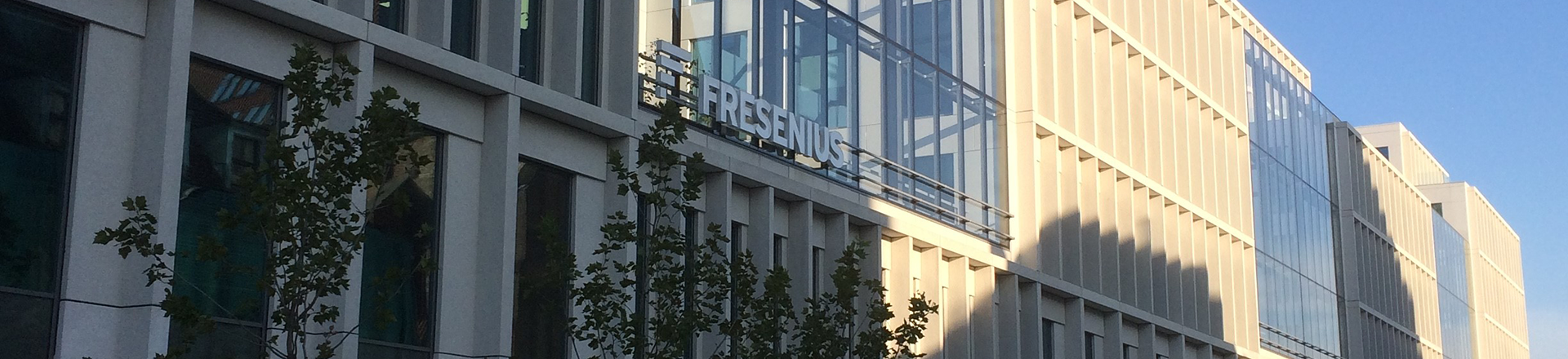
- Work in a modern office located in Wrocław city centre (pl. Nowy Targ) or from your home (we meet in the office once a week or twice a month, depending where you are located)
- Excellent teamwork culture and friendly atmosphere
Benefits
- sharing the costs of sports activities
- private medical care
- sharing the costs of professional training & courses
- life insurance
- remote work opportunities
- fruits
- integration events
- retirement pension plan
- no dress code
- coffee / tea
- extra social benefits
- holiday funds
- employee referral program
Fresenius Digital Technology Polska sp. z o.o.


By clicking "Aplikuj" you confirm that you've read and accepted our Terms and Conditions.
This is how the employer processes your data
This site is protected by reCAPTCHA and the Google Privacy Policy and Terms of Service apply.
Need more information?
- Make sure the body of the offer doesn’t already include what you’re looking for.
- Ask a question if you need more information you’re interested in.
- We’ll forward your question to the employer and aim to provide a response within 3 business days.